How to Decide If You Need a Standing Desk: An Ergonomics Decision Framework
A practical framework to evaluate whether a standing desk fits your ergonomic needs, habits, and workspace. Learn how to assess your posture, workflow, and budget before buying.
 By admin
Updated September 16, 2026
By admin
Updated September 16, 2026
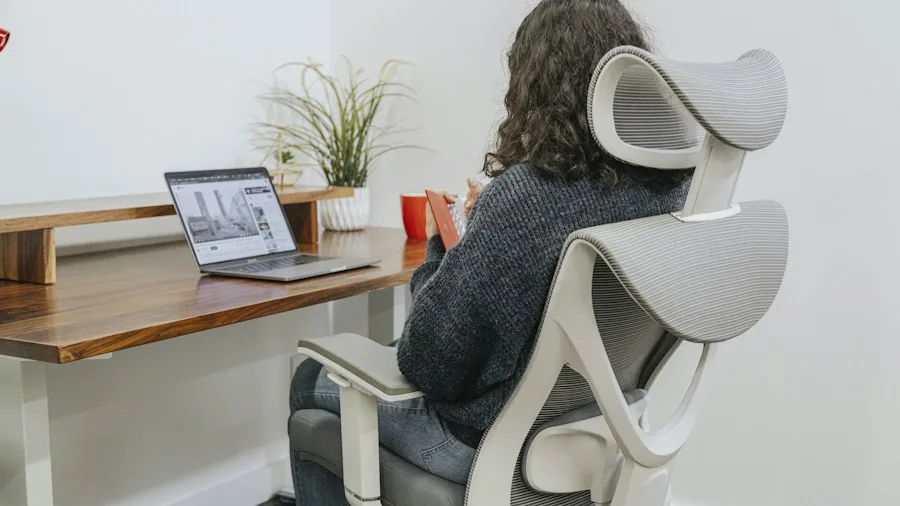
You have likely seen standing desks everywhere from office supply catalogs to social media feeds. But before you invest in one, it is important to step back and ask a simple question: do you actually need a standing desk?
The answer is not a straightforward yes or no. It depends on your personal ergonomics, daily habits, workspace, and workflow.
This guide will walk you through a decision framework that helps you evaluate whether a sit-stand setup makes sense for you, without relying on hype or marketing claims.
Assess Your Current Sitting Habits
The first step is to look honestly at how you currently use your desk. Many people sit for hours without getting up, and that prolonged static posture can lead to discomfort. Start by tracking your typical sitting duration and any physical signals your body sends.
How Long Do You Sit Continuously?
If you frequently work for more than 45 to 60 minutes without standing or walking, you may benefit from a desk that allows you to change posture. A standing desk is not about standing all day; it is about variety.
The ability to alternate between sitting and standing can reduce the strain of staying in one position for too long.
Do You Experience Discomfort?
Pay attention to your lower back, neck, and shoulders. If you often feel stiffness or achiness after a few hours at a sedentary desk, a standing desk might help relieve pressure.
However, discomfort can also come from a poorly adjusted chair. Before concluding that you need a standing desk, check if your current seating setup is optimized. A well-fitted chair combined with occasional standing breaks may be all you need.
For expert recommendations on seating, see ergonomic office chairs.
Understand the Health Benefits and Limitations
Standing desks are often promoted as a cure-all for sedentary work, but the reality is more nuanced. Standing can improve posture and reduce the risk of developing certain musculoskeletal issues.
It may also help burn a few extra calories and keep your circulation flowing.
That said, standing for extended periods has its own drawbacks: it can lead to leg fatigue, swelling, and varicose veins if you do not use a proper anti-fatigue mat or take walking breaks.
The key is to use a standing desk as a tool for movement variability, not as a replacement for sitting entirely.
If you already have a comfortable chair and a well-arranged monitor setup, you might not gain much from a standing desk. On the other hand, if you find yourself fidgeting or slouching after 30 minutes of sitting, a height-adjustable workstation could make a real difference.
Evaluate Your Workspace and Budget
A standing desk requires enough space to move the surface up and down without hitting obstacles. Measure your desk area and consider whether a full-sized standing desk, a convertible desktop riser, or a mobile unit fits your layout.
For those with limited space, a mobile standing desk can be rolled into position when needed. Check out mobile standing desks if flexibility is your priority.
Think about your budget as well, though we will not quote specific prices. Look for a desk that matches your ergonomic needs rather than just the cheapest option.
The good news is that the market offers many reliable choices across price ranges, whether you are outfitting a dedicated home office or a cubicle.
If you decide to buy a standing desk, you will also want to pair it with a monitor arm or a properly positioned display.
A monitor that can tilt, swivel, and adjust in height is essential for maintaining good posture while standing. For general monitor buying advice, we have a comprehensive roundup: office monitors.
Consider Your Workflow and Task Types
Not every task is suited for standing. Activities that require intense focus, such as detailed spreadsheet work or writing code, are often better performed while seated because it is easier to maintain a stable posture.
Creative brainstorming or reading long documents can be more comfortable standing, as it keeps you alert. If your work involves a lot of video calls, standing can help project energy, but ensure your camera is at the correct height.
A monitor that is easy to reposition up and down is helpful here; a split screen monitor might also improve your multitasking workflow.
For those who read extensively, consider a monitor designed for reading comfort: see reading monitors.
Ultimately, your decision should be based on whether you have a mix of tasks that could benefit from posture changes. If your day is one long, continuous typing session, standing may not add much value.
If you frequently switch between deep work and lighter administrative duties, a standing desk becomes more useful.
Try Before You Buy: Simulate Standing
Before spending money, evaluation the concept using items you already have. Place your laptop on a stack of books or a cardboard box that brings the screen to eye level when you stand.
Work this way for a few hours over a couple of days. Notice how your feet, legs, and back feel. Do you find yourself wanting to sit after 20 minutes? Or do you enjoy the change?
This simple simulation helps predict whether a standing desk will be a worthwhile addition. If the trial feels promising, then explore permanent options.
For a dedicated home office setup, you might like standing desks for home offices.
If you share a workspace or need a solution that fits a cubicle, there are also specialized models designed for those environments. Browse the full standing desks for a broader look at what is available.
Frequently Asked Questions
Are standing desks worth the investment?
For many people, yes, especially if they experience discomfort from prolonged sitting or want more movement in their workday. The value depends on how consistently you use the stand feature and whether you pair it with good ergonomic practices.
How long should I stand per day when using a standing desk?
There is no strict rule, but starting with 15 to 30 minutes of standing per hour is common. Listen to your body and alternate between sitting and standing before fatigue sets in. Over time you may gradually increase standing intervals.
Do standing desks help with back pain?
They can reduce lower back discomfort for some people by reducing the static load on the spine. However, standing desks alone are not a cure. You also need proper posture, a good chair when sitting, and regular movement breaks.
Should I get a standing desk mat?
Yes, a quality anti-fatigue mat can make standing more comfortable by cushioning your feet and encouraging subtle muscle movement. It is a worthwhile accessory if you plan to stand for longer sessions.
Can I use a standing desk with a treadmill?
Yes, some people combine a standing desk with an under-desk treadmill to add light activity while working. Be cautious about pace and ensure your setup is stable. This approach is not suitable for tasks requiring high precision.
About the author

admin writes reviews and buying guides for LAT Review.