11 Best Reptile Substrates of 2026 – Expert Picks
Choosing the right substrate is crucial for your reptile's health and comfort. Our 2026 roundup evaluates popular options to create a safe and naturalistic habitat.
 By Pets Viora Editorial Team
Updated October 3, 2026
Choosing the Right Foundation for Your Reptile’s Home in 2026
Selecting the best reptile substrates is one of the most critical decisions you’ll make for your pet’s terrarium or enclosure. The right substrate does far more than just cover the bottom; it plays a vital role in maintaining proper humidity, supporting natural behaviors like digging and burrowing, and ensuring a clean, healthy environment. A poor choice can lead to respiratory issues, skin problems, and stress for your reptile. With so many options available, from coconut fiber to cypress mulch and sphagnum moss, finding the perfect fit can be overwhelming.
To simplify your search, we’ve thoroughly researched and analyzed 11 of the top-rated best reptile substrates currently on the market. This guide for 2026 compares products from leading brands like ZooMed, Zilla, and Fluker’s, focusing on key factors every reptile owner should consider. Whether you’re setting up a new bioactive terrarium or looking to improve your pet’s current habitat, understanding substrate options is essential. For more insights on creating the perfect reptile environment, explore our guide on managing reptile humidity.
| Award | Product | Viora Score About Viora ScoreThe Viora Score is our own 0–10 rating based on performance, safety, durability, pet comfort, and value. It reflects independent research and is never influenced by brands or affiliate commissions. Learn more › | |
|---|---|---|---|
 Zoo Med CM8 Forest Floor Bedding, 8-Quart |
Buy | ||
| Best Overall |
 Zoo Med RB-8 ReptiBark Fir Bedding, 8 Quarts |
9.1/10 | Buy |
| Best Budget |
 Zilla Coconut Husk Reptile Bedding Brick |
8.9/10 | Buy |
 Zilla Jungle Mix Terrarium Substrate, 8-Quart |
8.9/10 | Buy | |
| Best Premium |
 Zoo Med Eco Earth Loose Coconut Fiber Substrate |
8.9/10 | Buy |
| Best Value |
 Riare 2-Pack Coconut Coir Reptile Bedding |
8.8/10 | Buy |
 ZeeDix 2-Pack Coconut Fiber Reptile Substrate |
8.8/10 | Buy | |
 Riare 10-Pound Coconut Husk Substrate |
8.8/10 | Buy | |
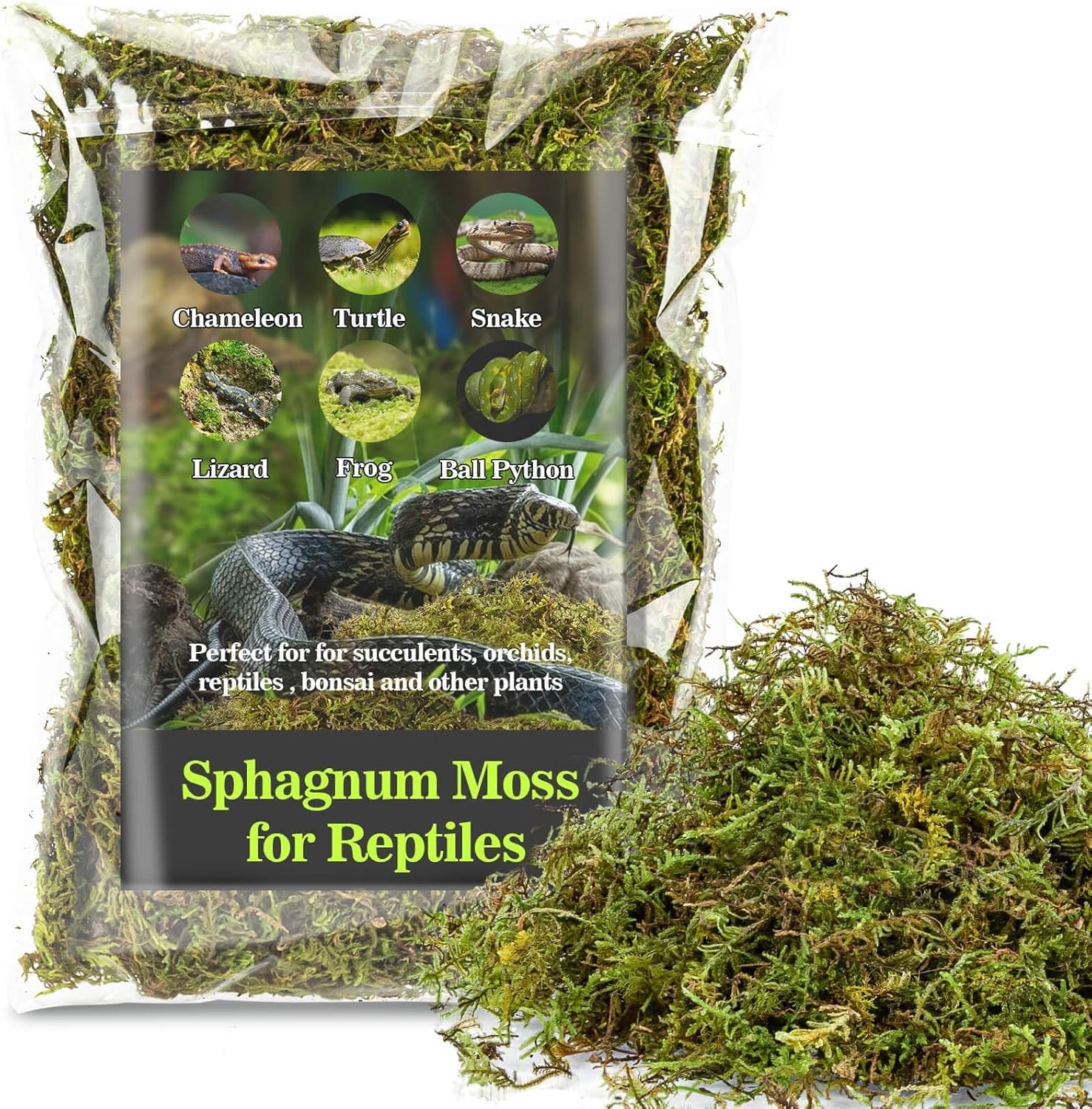 Sukh Sphagnum Moss 5oz Reptile Substrate |
8.6/10 | Buy | |
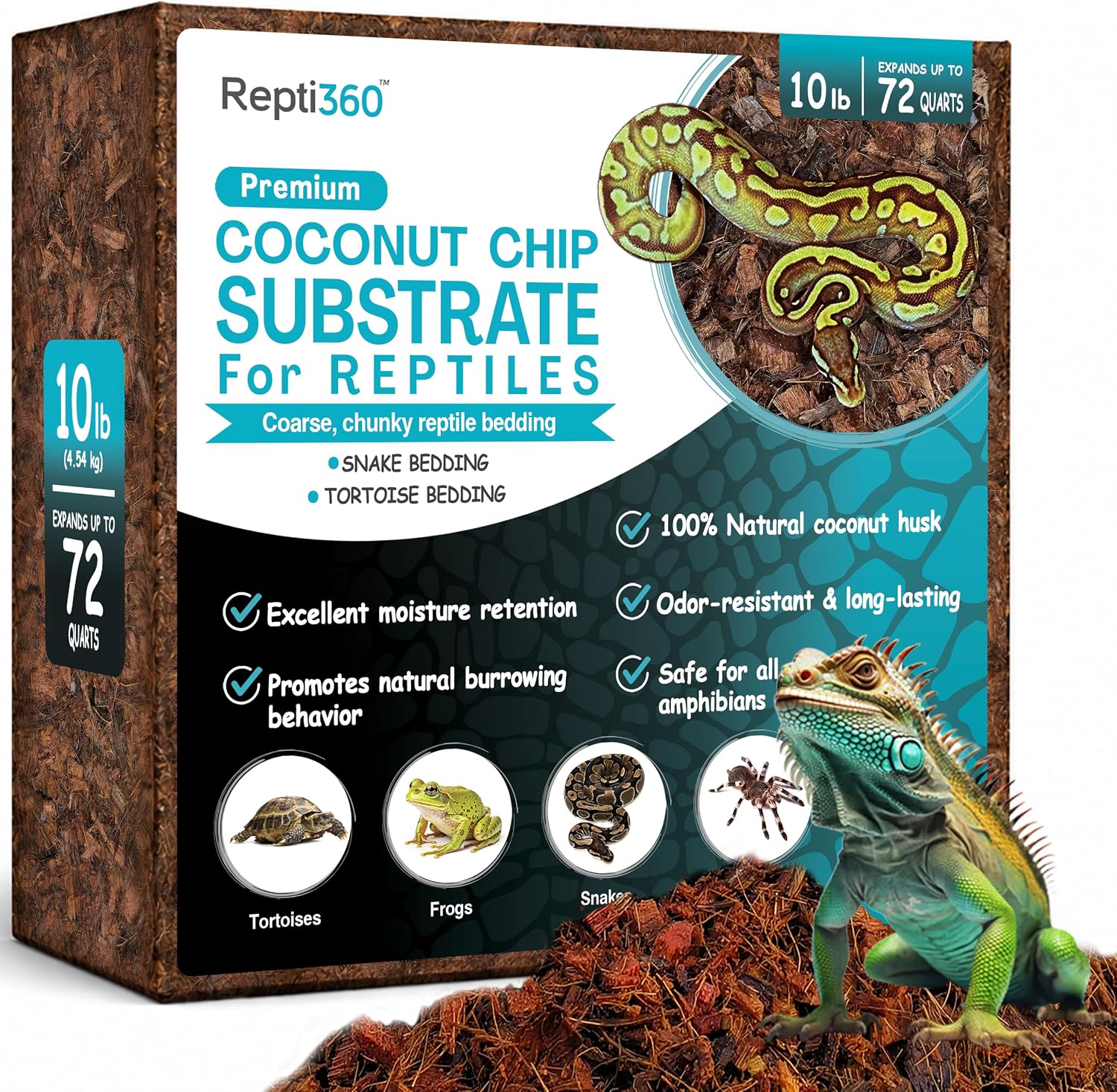 Repti360 R3CP10 Coconut Chip Reptile Substrate |
Buy | ||
 Fluker's 36010 10-Pound Cypress Bedding |
Buy |
Zoo Med CM8 Forest Floor Bedding, 8-Quart
This natural cypress mulch substrate replicates a forest floor environment. It effectively retains moisture to help maintain humidity, making it a recommended choice for enclosures housing snakes, amphibians, or tropical tortoises.
Pros
- Made from all-natural cypress mulch.
- Retains moisture to help regulate enclosure humidity.
- Manufactured in the USA.
- Suitable for a wide range of reptile and amphibian species.
Zoo Med RB-8 ReptiBark Fir Bedding, 8 Quarts
A natural fir bark substrate that excels at humidity control, making it a top choice for moisture-loving reptiles like bearded dragons and tortoises. It's reusable, promotes natural behaviors, and creates a clean, rainforest-like habitat.
Pros
- Excellent moisture retention and humidity regulation
- Reusable and easy to maintain with periodic soaking
- Made from natural, safe fir bark with no sharp edges
- Encourages natural digging and burrowing activity
- Effective at absorbing waste and controlling odors
Cons
- Smaller chip size may not be ideal for all reptile species
- Requires complete replacement at least once a year
Zilla Coconut Husk Reptile Bedding Brick
This compressed coconut fiber brick provides natural humidity control for tropical reptile habitats. It expands with water and its soft texture encourages natural burrowing behavior.
Pros
- Effective for maintaining humidity in tropical terrariums
- Encourages natural burrowing instincts
- Made from 100% organic coconut fiber, a sustainable material
- One brick can cover the bottom of a 55-gallon enclosure when expanded
Cons
- Requires preparation (adding hot water) before use
Zilla Jungle Mix Terrarium Substrate, 8-Quart
An organic blend of sphagnum peat moss and fir bark designed to maintain stable humidity in tropical and forest terrariums. It encourages natural behaviors like burrowing and egg incubation for reptiles and amphibians, and is suitable for bioactive setups with live plants.
Pros
- Effectively retains moisture to support a healthy humidity level
- 100% organic composition with a soft, natural texture
- Encourages digging, nesting, and other natural pet behaviors
- Works well in bioactive enclosures with drainage layers
Cons
- Requires regular maintenance, including monthly replacement
- The loamy, earthy scent may not appeal to all pet owners
Zoo Med Eco Earth Loose Coconut Fiber Substrate
This all-natural, composted coconut fiber substrate is designed for naturalistic terrarium habitats. It's ideal for maintaining humidity and controlling waste odor for reptiles, amphibians, and invertebrates, and can be layered for effective drainage in bioactive setups.
Pros
- All-natural and composted material suitable for sensitive pets
- Naturally absorbs and helps break down waste odors
- Promotes humidity and can create a drainage layer for plant growth
- Pack of two offers good value for larger setups
Cons
- Specific effectiveness may vary depending on terrarium conditions and pet species
Riare 2-Pack Coconut Coir Reptile Bedding
These compressed coconut fiber bricks are a natural substrate option for reptile and amphibian enclosures. They expand with water to create a soft, moisture-retentive bedding that encourages natural burrowing behavior and helps control odors.
Pros
- Made from natural, organic, and biodegradable coconut fiber
- Excellent moisture retention and odor absorption
- Soft and comfortable for burrowing animals
- Easy to use and store as compressed bricks
- Compostable and can be repurposed as garden fertilizer
Cons
- Requires preparation time to soak and expand
- May require more frequent replacement than some inorganic substrates
ZeeDix 2-Pack Coconut Fiber Reptile Substrate
This compressed coconut coir brick is a versatile, natural bedding that expands with water to create a soft, burrowable substrate. It's well-regarded for its odor control and suitability for creating naturalistic enclosures for reptiles, amphibians, and invertebrates.
Pros
- Made from 100% natural, biodegradable coconut fiber, safe for pets and gardens.
- Effectively absorbs liquids and waste while reducing odors to maintain a cleaner habitat.
- Compact and lightweight for easy storage, expanding significantly when hydrated.
- Versatile for use with many pet types, including snakes, frogs, lizards, and tarantulas, and for gardening.
Cons
- May require pre-washing to reduce salt content, especially when used with sensitive species like worms.
- Some reptile owners note it carries a risk of impaction for certain species, such as bearded dragons or leopard geckos, and recommend alternatives for them.
Riare 10-Pound Coconut Husk Substrate
This compressed coconut husk brick expands to 72 quarts of loose, textured bedding. It's highly regarded for its ability to retain humidity and stimulate natural burrowing behaviors, making it a popular choice for snake and reptile owners.
Pros
- Expands significantly from a compact, easy-to-store brick
- Effectively maintains humidity levels for reptile enclosures
- Soft, odorless, and encourages natural digging behavior
- Biodegradable and easy to clean with good waste absorption
Cons
- Requires preparation time for soaking and expansion
Sukh Sphagnum Moss 5oz Reptile Substrate
This green sphagnum moss is a versatile substrate designed for reptiles requiring high humidity, such as snakes, geckos, frogs, and turtles. It excels at moisture retention to help stabilize enclosure humidity and can also serve as nesting material or aid in shedding. It's important to note it's intended as part of a mixed substrate setup, not a primary standalone bedding.
Pros
- Excellent moisture retention for stable humidity
- Provides soft, natural hiding and nesting spots
- Versatile use for various reptiles like snakes, geckos, frogs
- Can also be used for plants like orchids and succulents
Cons
- Cannot be used as a primary substrate alone
- Requires regular maintenance to stay clean and moist
Repti360 R3CP10 Coconut Chip Reptile Substrate
This compressed coconut husk bedding expands from a 10-pound block to 72 quarts of natural, dust-free substrate. It's formulated to retain humidity well for tropical reptile habitats and is suitable for a variety of species including ball pythons and bearded dragons.
Pros
- High-volume compressed block expands to a significant amount of bedding
- Made from 100% natural coconut husk, suitable for bioactive setups
- Packaged in a protective carton box to minimize crumbling during shipping
- Dust-free and designed for superior humidity retention
Cons
- Requires a significant amount of water (0.5 gallon per pound) and time to expand before use
- The large volume may be excessive for owners with only one small enclosure
Fluker's 36010 10-Pound Cypress Bedding
A versatile, twice-milled cypress mulch suitable for a range of reptile and amphibian habitats, from high-humidity tropical setups to drier desert environments. It's a breeder-recommended option for maintaining a clean enclosure.
Pros
- Suitable for both tropical and desert terrarium setups
- Twice-milled process for a cleaner substrate
- Versatile for various reptiles and amphibians
Best Reptile Substrates Buying Guide: What to Look For
Material and Natural Composition
The primary material of your best reptile substrates is the most important consideration, as it directly impacts safety, humidity control, and suitability for your specific reptile. Natural, organic materials like coconut coir (fiber or husk chips), sphagnum peat moss, and certain barks (cypress, fir) are generally preferred. These materials are free from harmful chemicals, dyes, or artificial additives that could irritate your pet’s skin or respiratory system if ingested accidentally during feeding. Coconut fiber, for example, is renowned for its soft texture and excellent moisture retention, making it ideal for tropical species that require high humidity.
It’s crucial to match the substrate material to your reptile’s natural habitat and behaviors. For burrowing species like some snakes and lizards, a loose, fibrous material like the Zilla Coconut Husk Bedding encourages natural digging instincts. For reptiles from forest floor environments, a cypress or fir bark mulch, such as Zoo Med Forest Floor Bedding, provides a more authentic texture and look. Always avoid materials like cedar or pine shavings, which can release aromatic oils that are toxic to reptiles.
Humidity Retention and Moisture Control
Different reptile species have vastly different humidity requirements. A substrate’s ability to absorb, hold, and release moisture—a property known as being hygroscopic—is a key performance factor. For animals from tropical rainforests, such as chameleons, dart frogs, or certain geckos, you need a substrate that maintains consistently high humidity levels. Products like Zoo Med Eco Earth Loose Coconut Fiber or Zilla Jungle Mix are specifically formulated for this purpose, helping to prevent dehydration and aid in proper shedding.
Conversely, for desert-dwelling reptiles like bearded dragons or leopard geckos, a substrate that holds too much moisture can lead to scale rot and respiratory infections. In these cases, a substrate that stays relatively dry or allows for quick drainage is better. Some substrates, like Fluker’s Premium Tropical Cypress Bedding, are versatile enough to be used damp for tropical setups or kept dry for desert habitats, offering flexibility for owners with multiple reptile types. Proper humidity is part of a larger ecosystem; consider how your substrate works with other elements by reading about automatic misting systems.
Safety, Ingestion Risk, and Cleanliness
Safety is paramount. The substrate must be non-toxic and pose minimal risk if your reptile accidentally ingests it during feeding or exploration. Fine, sand-like particles or very small chips can cause impaction—a potentially fatal intestinal blockage—especially in younger or smaller reptiles. Opt for substrates with larger particle sizes or fibrous textures that are less likely to be consumed in dangerous quantities. Products like Riare Coconut Husk Chips or Premium Coconut Chip Substrate offer a chip size that is generally safe while still being comfortable for your pet.
Cleanliness is another critical safety factor. A good substrate should help control odor and break down waste, contributing to a healthier enclosure. Many coconut fiber and moss substrates have natural odor-absorbing properties. However, all substrates require a maintenance routine. Spot-cleaning waste daily and performing partial or full substrate changes on a regular schedule (often monthly) is necessary to prevent bacterial and mold growth. Easy-to-clean substrates can make this process simpler and help maintain your reptile’s overall health.
Ease of Use and Maintenance
Consider the practical aspects of using the substrate. Some come ready-to-use out of the bag, like Zoo Med Forest Floor Bedding, while others, like compressed coconut fiber bricks (ZeeDix 2 Pack, Riare 2 Pack), require soaking in water to expand. The brick format is often more economical and space-efficient for storage but requires a preparation step. Think about the depth needed; a burrowing animal will require a deeper layer (2-4 inches) than a species that doesn’t dig.
Maintenance difficulty varies. Loose substrates can be easier to spot-clean but may need more frequent full changes. Some substrates, like fir bark, can be rinsed and reused several times, offering long-term value. Also, consider disposal. Many natural substrates are biodegradable and compostable, allowing you to add them to your garden after use, which is an eco-friendly benefit. Your choice should fit seamlessly into your pet care routine without creating unnecessary hassle.
| Substrate Type | Best For Habitat | Key Feature | Maintenance Level |
|---|---|---|---|
| Coconut Fiber/Coir | Tropical, High Humidity | Superior moisture retention, soft for burrowing | Moderate (spot clean, change monthly) |
| Cypress/Fir Bark Mulch | Forest, Versatile | Natural look, good humidity control, sometimes reusable | Moderate to Easy |
| Sphagnum Moss (e.g., Sukh) | Tropical, Humid Hides/Nesting | Extreme moisture retention, great for egg laying | High (requires frequent remoistening) |
| Coconut Husk Chips | Tropical & Subtropical | Good moisture, less ingestion risk than fiber | Moderate |
Suitability for Specific Reptile Species
There is no universal “best” best reptile substrates; the best choice is the one perfectly suited to your specific pet. Ball pythons, for instance, often thrive on substrates that hold humidity well to support respiratory health and proper shedding, making coconut husk chips or cypress mulch excellent choices. Bearded dragons, being desert animals, typically do better on substrates that are dry, loose, and not prone to holding moisture against their belly, though careful selection is needed to avoid impaction risks with younger dragons.
Arboreal species like crested geckos may spend little time on the ground, but the substrate still impacts overall enclosure humidity. For amphibians like frogs and toads, a moisture-retentive and soft substrate is non-negotiable. Always cross-reference the natural history of your pet with the properties of the substrate. Consulting a care guide for your specific animal, such as our resource on crested gecko care, can provide additional context for creating an ideal habitat.
Value, Quantity, and Cost-Effectiveness
Finally, consider the value proposition. Price per quart or pound is a useful metric, but also consider how much substrate you actually get and how often you’ll need to replace it. A compressed brick that expands to 72 quarts, like the Riare 10LB Coconut Husk Chip, represents tremendous value for large enclosures or multi-tank households, even at a higher upfront cost. For a single, small terrarium, an 8-quart bag like Zoo Med Reptile Bark might be more practical and cost-effective.
Factor in longevity. Reusable substrates may have a higher initial cost but lower long-term expense. Also, consider purchasing multi-packs if you go through substrate quickly. The goal is to find a balance between providing the best environment for your reptile and managing your ongoing pet care budget effectively. A substrate that needs constant replacement might end up costing more than a premium, longer-lasting option.
Frequently Asked Questions About Best Reptile Substrates
What is the best reptile substrates in 2026?
The “best” substrate depends entirely on your specific reptile species and its natural habitat requirements. For a versatile option that works well for many tropical and forest reptiles, blends like Zilla Jungle Mix are highly recommended. For animals requiring very high humidity, pure coconut fiber substrates like Zoo Med Eco Earth are often the top choice. Always prioritize a substrate that matches your pet’s humidity needs and natural behaviors.
How often should I change my reptile’s substrate?
Maintenance frequency varies by substrate type and enclosure bioload. As a general rule, spot-clean solid waste daily. Most loose substrates require a partial or complete change every 4 to 6 weeks. However, in bioactive setups with a healthy clean-up crew, substrate can last much longer. Always change the substrate immediately if you notice mold, a persistent foul odor, or an infestation of pests.
Is coconut fiber safe for all reptiles?
Coconut fiber is safe and excellent for many reptiles, particularly those from tropical environments that need high humidity. It is soft, digestible if ingested in small amounts, and great for burrowing. However, it may not be suitable for desert species like bearded dragons, especially juveniles, as the high moisture retention can promote scale rot, and the fine fibers could pose an impaction risk if they consume a large amount. Always research species-specific needs.
Can I mix different substrate types?
Yes, mixing substrates is a common practice to achieve specific properties. For example, you might mix sphagnum moss into coconut fiber to boost moisture retention in a frog terrarium, or add larger bark chips to a fiber base to improve drainage and texture. Mixing can help you create a custom blend perfect for your pet’s needs. For more ideas on habitat setup, check out our reptiles category.
What substrate should I avoid for my reptile?
You should avoid substrates made from cedar or pine wood shavings, as the aromatic oils can cause serious respiratory and neurological issues in reptiles. Calcium sand, often marketed for desert reptiles, is notorious for causing life-threatening intestinal impaction if ingested. Also, avoid any substrate with sharp edges, artificial dyes, or chemical additives. Stick to natural, organic materials specifically formulated for reptile use.
About the author

The Pets Viora Editorial Team researches, writes, fact-checks, and updates every buying guide on Pets Viora. We cover products for dogs, cats, fish, birds, reptiles, small pets, horses, and backyard poultry, and every guide starts with the animal and the problem it needs to solve, not with a best-seller list. Our recommendations are based on product specifications and sizing, safety information and recalls, and recurring patterns in feedback from real owners across multiple sources, scored against the criteria published on our How We Rank page. Brands can't pay for placement, and our guides are general information, not veterinary advice. Questions, corrections, or product suggestions: [email protected]