
6 Best Aquarium Substrates of 2026 – Expert Picks
Choosing the right aquarium substrate is essential for your tank's health and aesthetics. Our 2026 roundup details the top options to support plant life, beneficial bacteria, and your aquatic pets.
 By Pets Viora Editorial Team
Updated October 2, 2026
Choosing the right foundation for your aquarium is one of the most important decisions you’ll make as an aquarist. The best aquarium substrates does more than just look good; it supports a healthy ecosystem for your fish, plants, and invertebrates by providing essential biological filtration, anchoring plants, and influencing water chemistry. With options ranging from nutrient-rich soils to sparkling sands and gravels, selecting the ideal substrate can feel overwhelming. That’s why we’ve meticulously researched and compared 6 leading best aquarium substrates available in 2026, analyzing specifications, brand reputations, and feedback from aquarium owners to bring you this comprehensive guide. For more insights on creating the perfect aquatic environment, explore our Fish & Aquariums hub.
| Award | Product | Viora Score About Viora ScoreThe Viora Score is our own 0–10 rating based on performance, safety, durability, pet comfort, and value. It reflects independent research and is never influenced by brands or affiliate commissions. Learn more › | |
|---|---|---|---|
 Fluval 12696 Volcanic Soil Bio-Stratum, 4.4 lbs |
8.9/10 | Buy | |
| Best Overall |
 Fluval 12695 Plant and Shrimp Substrate, 17.6 lbs |
8.9/10 | Buy |
 Aqua Natural Bio-Substrate Galaxy Sand 5lb |
Buy | ||
| Best Budget |
 Aqua Natural SUGAR010 Sugar White Sand |
8.8/10 | Buy |
 Aqueon Plant and Shrimp Aquarium Substrate |
Buy | ||
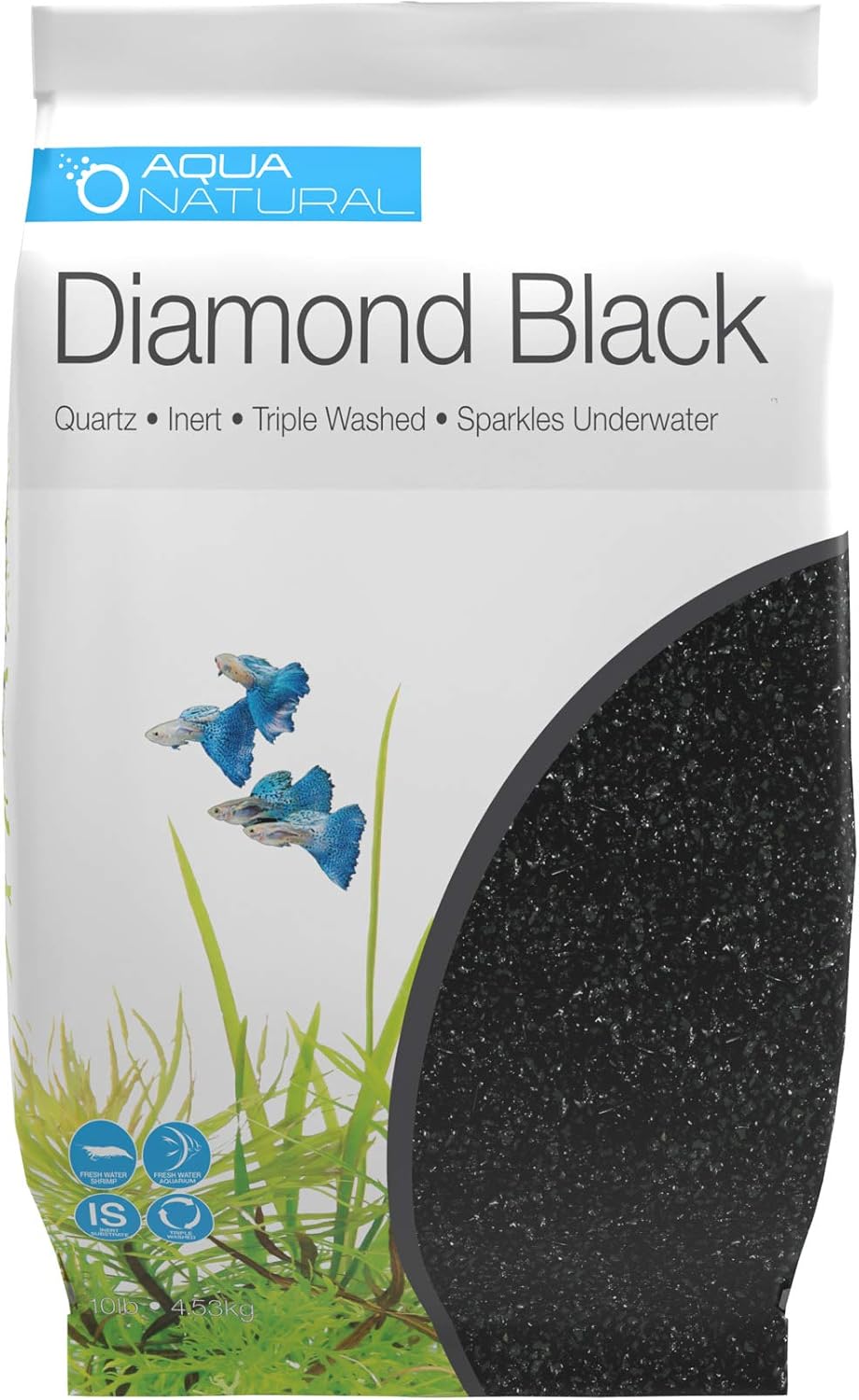 Aqua Natural Diamond Black Fine Quartz Gravel 10lb |
8.6/10 | Buy |
Fluval 12696 Volcanic Soil Bio-Stratum, 4.4 lbs
This volcanic aquarium substrate is designed to promote healthy planted tanks by activating beneficial bacteria and stabilizing water conditions. Its fine, lightweight granules are ideal for delicate plant roots, making it a solid choice for aquarists focused on plant growth and water quality.
Pros
- Promotes robust plant growth and vibrant coloration.
- Activates beneficial water conditions by jumpstarting the nitrogen cycle.
- Rapidly reduces ammonia to stabilize new aquarium environments.
- Lightweight, non-compacting granules enhance root penetration.
- Porous structure provides additional biological filtration.
Cons
- Fine powder granules may cloud water initially if not rinsed carefully.
- The 4.4-pound bag may be insufficient for larger aquarium setups.
Fluval 12695 Plant and Shrimp Substrate, 17.6 lbs
A porous, nutrient-rich substrate designed specifically for planted freshwater aquariums. It promotes robust plant root growth and helps maintain a neutral to slightly acidic pH, while also offering newborn shrimp a protective refuge. An excellent foundational choice for aquarists cultivating lush aquatic plant life and shrimp colonies.
Pros
- Promotes strong plant growth by facilitating easy root penetration and nutrient absorption.
- Porous structure encourages beneficial bacterial colonization for improved water quality.
- Helps maintain an optimal, slightly acidic pH range for many plants, tropical fish, and shrimp.
- Provides shelter for vulnerable newborn shrimp, increasing their survival rate.
- Does not discolor aquarium water and helps control tannins from driftwood.
Cons
- Formulated for freshwater use only, not suitable for saltwater or reef tanks.
- The light, granular form can be easily disturbed by strong water flow or burrowing fish.
Aqua Natural Bio-Substrate Galaxy Sand 5lb
This pre-seeded aquarium sand contains live nitrifying bacteria designed to help establish a biological filter and cycle a tank more quickly. It's a natural, triple-washed substrate suitable for planted tanks and general aquarium use.
Pros
- Contains live beneficial bacteria to aid in aquarium cycling
- 100% natural and sustainably sourced material
- Triple-washed and kiln-dried for cleanliness
- Suitable for planted aquariums
- Can be used as a primary substrate or mixed with other substrates
Cons
- Specific instructions must be followed precisely, including a no-rinse policy
- Requires careful mixing ratio (1:4 live to dry substrate) for intended use
Aqua Natural SUGAR010 Sugar White Sand
This 10-pound bag of substrate is prized for its ultra-clean, sugar-white sand that doesn't cloud the water. Its fine, dense grain size resists blowing around, making it a reliable base for planted aquariums and terrariums that benefits from a bright, natural aesthetic.
Pros
- Exceptionally clean due to triple washing and kiln drying, minimizing initial tank cloudiness.
- Optimal 0.5-1mm grain size with a dense composition that stays put under filter currents.
- The bright off-white color effectively highlights aquarium plants and decor.
- Versatile for use in aquariums, vivariums, and terrariums.
- Ethically sourced from New Zealand, appealing to environmentally conscious hobbyists.
Cons
- The light color may show waste and debris more readily than darker substrates, requiring more frequent maintenance.
Aqueon Plant and Shrimp Aquarium Substrate
This clay-based aquarium substrate is designed to support plant roots and shrimp in freshwater tanks. Its spherical shape maintains structure over time, preventing compression and creating a stable base for aquascaping. It's a straightforward choice for planted tank enthusiasts.
Pros
- Spherical clay design resists breakdown and maintains its form, promoting a stable substrate.
- Supports root growth for a variety of aquatic plants.
- Suitable for shrimp, snails, and tropical fish in freshwater setups.
Cons
- The 5-pound bag size may be insufficient for larger aquarium setups.
Aqua Natural Diamond Black Fine Quartz Gravel 10lb
This fine-grain black quartz gravel provides a striking, functional base for planted aquariums. Its large surface area supports beneficial bacteria to help maintain water quality, while the 1-2mm grain size offers good plant anchoring.
Pros
- High-quality natural quartz composition is safe for aquatic life.
- Fine 1-2mm grain size is ideal for plant roots and provides optimal coverage.
- Large surface area promotes the growth of beneficial, tank-cleaning bacteria.
- Provides excellent visual contrast to highlight aquarium plants.
- Graded texture offers a natural look between sand and traditional gravel.
Cons
- Manufacturer advises it is not recommended for snails or bottom-feeding fish.
- Requires thorough rinsing before use to remove residual dust.
Best Aquarium Substrates Buying Guide for 2026
Aquarium Type and Inhabitants
The first and most critical factor is your aquarium’s purpose. A heavily planted tank with delicate shrimp has vastly different substrate needs than a cichlid tank or a simple community aquarium with artificial decorations. For planted aquariums, a nutrient-rich, porous substrate like the Fluval Stratum is designed to promote robust root growth and maintain an ideal slightly acidic pH. In contrast, fish that dig or sift through the substrate, such as certain cichlids or loaches, require a smooth, fine-grained sand like Aqua Natural’s Sugar White Sand to prevent injury. Always consider the natural behaviors and environmental needs of your aquatic pets first.
If your tank houses a mix of live plants and burrowing creatures, you may need to layer substrates or choose a versatile option. Some substrates, like those seeded with nitrifying bacteria, are excellent for quickly establishing a new tank’s biological cycle, which is crucial for the health of all aquatic life. Reviewing the specific requirements of your fish, shrimp, and plants will guide you toward a substrate that supports their well-being, not just their aesthetics. Our research into other essential pet products follows the same principle of matching product to purpose.
Grain Size and Composition
Grain size directly impacts water flow, root penetration, and maintenance. Fine sands (0.5-1mm) create a sleek, natural look and are ideal for delicate plant roots and bottom-dwelling fish, but they can compact over time, potentially creating anaerobic pockets if not stirred occasionally. Medium gravel (1-3mm), like the Aqua Natural Diamond Black, offers excellent water circulation and is easy to vacuum, making it a low-maintenance choice for many community tanks. Very fine powders, as found in some volcanic soils, are superb for plant growth but may cloud the water if disturbed and require careful rinsing.
The material composition is equally important. Natural quartz gravels are inert and won’t alter water chemistry, making them safe for a wide range of setups. Clay-based substrates and volcanic soils are often active, meaning they can soften water and lower pH, which is beneficial for soft water species and plants. Always check if a substrate is designed to buffer water parameters to ensure it aligns with the needs of your specific aquarium inhabitants.
Nutrient Content and Biological Filtration
For a thriving planted tank, the substrate’s nutrient profile is paramount. Dedicated plant substrates are packed with essential macronutrients and micronutrients like iron, potassium, and nitrogen that are slowly released to plant roots. They often have a high Cation Exchange Capacity (CEC), meaning they can hold and exchange nutrients effectively. Products like the Fluval Bio-Stratum go a step further by containing dormant beneficial bacteria that activate in water, jumpstarting the nitrogen cycle to process fish waste.
Biological filtration is a function of surface area. Porous substrates, such as volcanic soil or specially designed bio-media, provide immense surface area for beneficial nitrifying bacteria to colonize. This turns your substrate bed into an additional biological filter, contributing to a stable and healthy aquarium. When comparing options, consider whether you need a substrate that primarily feeds plants, one that supports bacterial colonies, or a combination of both, as seen in some advanced aqua soils.
Visual Appeal and Maintenance
The aesthetic role of your substrate should not be underestimated, as it forms the canvas of your aquascape. Lighter-colored sands can make colors in fish and plants pop and help brighten a tank, while dark substrates like black gravel or soil can make green plants appear more vibrant and help shy fish feel more secure. Consider how the color and texture will complement your hardscape (rocks, driftwood) and the overall theme you wish to create.
Maintenance practicality is key for long-term enjoyment. Fine sands can be challenging to clean without sucking them up into a gravel vacuum, whereas larger gravel allows debris to sit on top for easy removal. Some substrates claim to resist compaction and maintain their structure over time, which helps preserve root health and water flow. Think about your willingness to perform regular maintenance and choose a substrate that aligns with your tank-care routine. Just as with selecting the right pet door, ease of use is a major factor in long-term satisfaction.
| Substrate Type | Best For | Key Consideration |
|---|---|---|
| Nutrient-Rich Soil (e.g., Fluval Stratum) | Planted Tanks, Shrimp | May lower pH; can cloud water initially |
| Fine Sand (e.g., Aqua Natural Sugar White) | Bottom-Dwelling Fish, Natural Look | Risk of compaction; requires careful cleaning |
| Inert Gravel (e.g., Aqua Natural Diamond Black) | Community Tanks, Low-Tech Plants | Easy maintenance; does not alter water chemistry |
| Bio-Active Substrate (e.g., Aqua Natural Galaxy Sand) | New Tank Setups, Cycle Support | Contains live bacteria; simplifies cycle process |
Why You Should Trust Us
Our recommendations are the result of a rigorous, multi-faceted research methodology designed for objectivity and depth. We begin by identifying the top products in the category, such as the 6 best aquarium substrates featured here. Our team then conducts a detailed specification comparison, analyzing grain size, composition, claimed benefits, and safety information. We scrutinize product descriptions, manufacturer data, and any available recall notices to ensure we’re evaluating products that meet stated safety standards for aquatic environments.
Beyond the specs, we dive deep into the experiences of real aquarium owners. We analyze feedback and reviews from multiple retailer platforms and enthusiast communities, looking for consistent patterns in performance, durability, and real-world results in both freshwater and planted tank setups. Finally, we score each product against our published criteria framework, which prioritizes the health and safety of aquatic life, functional performance for plants and filtration, ease of maintenance for the owner, and overall value. This data-driven approach ensures our guides are trustworthy resources for making informed decisions for your aquarium.
Final Thoughts
After extensive research, several products from our list stand out for specific needs. For the dedicated aquascaper or planted tank enthusiast seeking the best overall performance, the Fluval 12695 Plant and Shrimp Stratum is a top contender. Its porous structure is engineered to foster explosive plant growth and beneficial bacterial colonization while maintaining a stable, plant-friendly pH. If you’re setting up a new tank and want to simplify the cycling process, the Aqua Natural Bio-Substrate, Galaxy Sand offers excellent value, as it comes seeded with live nitrifying bacteria to help establish a healthy biological filter from day one.
For aquarists who prioritize a stunning, natural aesthetic with easy maintenance, the Aqua Natural Diamond Black Fine Gravel provides a brilliant sparkle and a fine grain size that is both attractive and practical. Its inert quartz composition makes it a safe and versatile choice for a wide variety of community tanks. Remember, the best aquarium substrates for you is the one that aligns with the specific needs of your aquatic pets, your plants, and your vision for your aquarium. For more guidance on creating a perfect habitat, browse our full range of Aquarium Accessories.
Frequently Asked Questions
How much best aquarium substrates do I need for my aquarium?
A general rule is to aim for a substrate depth of 1-2 inches for most setups, or 2-3 inches for planted tanks to allow for adequate root growth. To calculate the amount, determine your tank’s footprint (length x width) in inches, multiply by your desired depth in inches, and then divide by 10 to get a rough estimate in pounds. For example, a 20-gallon long tank (30″ x 12″) with a 2-inch bed would need about (30 x 12 x 2) / 10 = 72 pounds of substrate. Always check the coverage information on the product bag, as density varies.
Do I need to rinse my best aquarium substrates before adding it to the tank?
It depends on the product. Inert sands and gravels, like Aqua Natural’s offerings, are typically triple-washed and can be added directly, though a quick rinse is never a bad idea to remove any residual dust. Active substrates, such as nutrient-rich soils, should not be rinsed, as this will wash away the very nutrients and beneficial properties you’re paying for. These may cloud the water initially, but the cloudiness will settle within a day, especially with proper filtration.
Can I mix different types of best aquarium substrates in one aquarium?
Yes, many aquarists use a technique called “capping,” where a nutrient-rich soil is placed on the bottom layer and capped with an inch of inert sand or fine gravel. This allows plants to access the nutrients while keeping the soil contained and the water column clearer. You can also create visual interest by strategically placing different colors or textures. Ensure the grain sizes are compatible so the finer substrate doesn’t eventually sink below the coarser one.
What is the best aquarium substrates for a beginner aquarium in 2026?
For a first-time aquarium owner, we recommend starting with an inert, easy-to-maintain substrate like a fine or medium gravel. Products such as the Aqua Natural Diamond Black Gravel are forgiving, don’t alter water chemistry unexpectedly, and are simple to clean with a standard gravel vacuum. This allows you to focus on mastering water parameters and fish care without the added variables of an active substrate. As you gain experience, you can explore more specialized options for planted or species-specific tanks.
How often should I replace my aquarium substrate?
A quality aquarium substrate does not need regular replacement and can last for years. In fact, completely replacing it can disrupt the beneficial bacterial colonies and stress your tank’s ecosystem. Regular maintenance through vacuuming the surface during water changes is sufficient for gravel and sand. Nutrient-rich soils may become depleted over several years in heavily planted tanks, at which point you can supplement with root tabs rather than replacing the entire substrate bed. For advice on other long-term pet care products, see our guide on preventative health solutions.
About the author

The Pets Viora Editorial Team researches, writes, fact-checks, and updates every buying guide on Pets Viora. We cover products for dogs, cats, fish, birds, reptiles, small pets, horses, and backyard poultry, and every guide starts with the animal and the problem it needs to solve, not with a best-seller list. Our recommendations are based on product specifications and sizing, safety information and recalls, and recurring patterns in feedback from real owners across multiple sources, scored against the criteria published on our How We Rank page. Brands can't pay for placement, and our guides are general information, not veterinary advice. Questions, corrections, or product suggestions: [email protected]