
6 Best Aquarium Gravel of 2026 – Expert Picks
Choosing the right substrate is essential for a thriving aquarium. This roundup highlights the best aquarium gravel of 2026 for a clean, healthy, and visually striking tank.
 By Pets Viora Editorial Team
Updated October 2, 2026
The Foundation of a Healthy Aquarium: Why Best Aquarium Gravel Matters
Choosing the right best aquarium gravel is one of the most impactful decisions you’ll make for your aquarium. It’s far more than just decoration; it’s a critical component of your tank’s ecosystem, affecting water chemistry, beneficial bacteria colonies, plant health, and the overall well-being of your fish. The ideal substrate provides a natural-looking base, supports live plants, and creates a comfortable environment for bottom-dwelling species. With so many options on the market, from vibrant synthetic colors to natural river stones, selecting the best aquarium gravel can be overwhelming.
To simplify your search, we’ve analyzed and compared 6 of the top-rated best aquarium gravel available in November 2026. Our goal is to help you navigate key factors like material safety, grain size, color, and functionality. Whether you’re setting up a new tank for a betta, a community aquarium, or a planted aquascape, the right gravel can make all the difference. For more tips on creating the perfect aquatic environment, explore our Fish & Aquariums hub.
| Award | Product | Viora Score About Viora ScoreThe Viora Score is our own 0–10 rating based on performance, safety, durability, pet comfort, and value. It reflects independent research and is never influenced by brands or affiliate commissions. Learn more › | |
|---|---|---|---|
 Aqua Natural Midnight Pearl Aquarium Gravel, 10lb |
Buy | ||
 GloFish Aquarium Gravel Black With Fluorescent |
Buy | ||
 GloFish Black Aquarium Gravel, 5-Pound Bag |
Buy | ||
| Best Value |
 Aqua Natural Gold Pearl 10lb Aquarium Gravel |
8.8/10 | Buy |
| Best Overall |
 YISZM YI-BPGXLS5lb 5-lb Natural River Gravel |
8.8/10 | Buy |
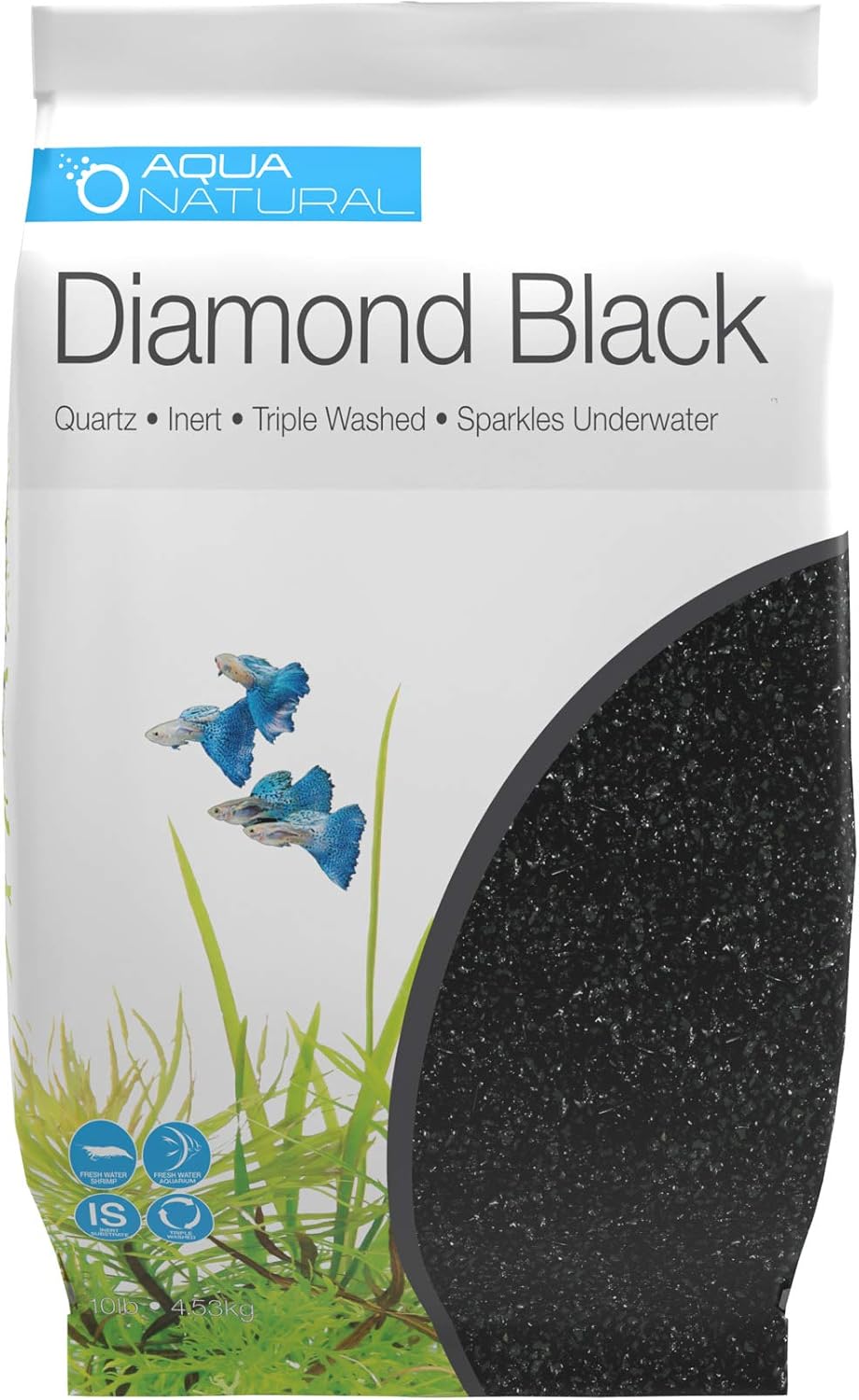 Aqua Natural Diamond Black Fine Quartz Gravel 10lb |
8.6/10 | Buy |
Aqua Natural Midnight Pearl Aquarium Gravel, 10lb
This triple-washed, kiln-dried gravel offers a clean, toxin-free foundation for freshwater aquariums and reptile terrariums. Its consistent 2-4mm size and natural brown tones create a textured, riverbed aesthetic. It's a straightforward, versatile substrate for hobbyists seeking a low-maintenance, natural look.
Pros
- Exceptionally clean due to triple-washing and kiln-drying process.
- Evenly graded 2-4mm size ensures a consistent, natural appearance.
- Sustainably sourced in New Zealand.
- Versatile for aquariums, vivariums, and terrariums.
Cons
- The 10lb bag may provide limited coverage for larger tank setups.
GloFish Aquarium Gravel Black With Fluorescent
This black gravel substrate is embedded with bright, fluorescent accents designed to pop under blue LED lighting, making it a popular choice for creating visually striking GloFish environments. It provides a colorful base for decorations and is sold in a convenient 5-pound bag.
Pros
- Designed to create a vibrant underwater display under blue LED lights, which can enhance the fluorescent colors of GloFish.
- Serves as a versatile substrate base for aquarium ornaments and plants.
- Available in several color options, including this black style with bright accents.
- Easy to use after a simple rinse before placing in the tank.
Cons
- The visual effect is heavily dependent on using compatible blue or GloFish brand lighting to achieve the 'glow'.
- Needs to be rinsed before use, adding a step to aquarium setup.
GloFish Black Aquarium Gravel, 5-Pound Bag
This solid black gravel is designed to enhance GloFish aquariums by creating a dark substrate that makes fluorescent fish and decor pop under blue LED lighting. It serves as a foundational element to build a complete, vibrant underwater environment and is part of a coordinated line of themed products.
Pros
- Creates a high-contrast background to highlight colorful fish and decor
- Part of a comprehensive GloFish ecosystem for a themed tank setup
- Available in multiple colors and accents for customization
Cons
- Requires thorough rinsing before use, adding a preparation step
- Optimal visual effect is dependent on using specific GloFish blue LED lighting
Aqua Natural Gold Pearl 10lb Aquarium Gravel
This 10-pound bag of natural, triple-washed gravel from New Zealand offers a unique gold pearl aesthetic for a tropical beach feel. Based on buyer feedback, it's praised for its clean appearance, minimal cloudiness, and versatility in aquariums and terrariums.
Pros
- Unique, natural gold and multi-colored pebbles sourced from New Zealand.
- Triple-washed for clarity and safety in aquatic environments.
- Smooth, round 2-4mm stones are comfortable for fish and suitable for plants.
- Highly rated for being clean with minimal rinsing required for many users.
- Versatile for aquariums, terrariums, and vivariums.
Cons
- Some users report the product can be dusty, requiring extensive rinsing before the water runs clear.
YISZM YI-BPGXLS5lb 5-lb Natural River Gravel
A 5-pound bag of natural, polished river rocks suitable for both aquarium and garden use. The non-toxic, fade-resistant stones provide a safe substrate for aquatic pets and improve drainage for potted plants.
Pros
- Made from natural, non-toxic stone with no dyes or fillers.
- Polished smooth for safety in fish and turtle tanks.
- Versatile for aquariums, plant drainage, and home or garden decor.
Cons
- The 1/4-inch size may be too small for some large-scale landscaping projects.
Aqua Natural Diamond Black Fine Quartz Gravel 10lb
This fine-grain black quartz gravel provides a striking, functional base for planted aquariums. Its large surface area supports beneficial bacteria to help maintain water quality, while the 1-2mm grain size offers good plant anchoring.
Pros
- High-quality natural quartz composition is safe for aquatic life.
- Fine 1-2mm grain size is ideal for plant roots and provides optimal coverage.
- Large surface area promotes the growth of beneficial, tank-cleaning bacteria.
- Provides excellent visual contrast to highlight aquarium plants.
- Graded texture offers a natural look between sand and traditional gravel.
Cons
- Manufacturer advises it is not recommended for snails or bottom-feeding fish.
- Requires thorough rinsing before use to remove residual dust.
Best Aquarium Gravel Buying Guide: What to Look For in 2026
Material Composition and Safety
The most critical factor is ensuring the gravel is 100% safe for aquatic life. Always choose substrates labeled as aquarium-safe, which means they are non-toxic, won’t leach harmful chemicals, and won’t alter your water’s pH or hardness. Natural stones like quartz, pebble, and river rock are excellent choices, as seen in products like the Aqua Natural Aquarium Substrate. Be wary of gravel with sharp edges that could injure sensitive fish barbels or delicate fins, especially for species like corydoras or loaches that sift through the substrate. The gravel should be inert, meaning it won’t dissolve or break down over time, which could cloud your water or create unstable conditions.
Pre-cleaned gravel is a significant advantage. Look for terms like “triple-washed” or “kiln-dried,” which indicate the manufacturer has removed dust, debris, and potential contaminants. This not only protects your fish but also saves you considerable time and effort during tank setup, as it minimizes the cloudy water phase during your initial rinse. Investing in a safe, clean substrate from the start is the best way to ensure a healthy foundation for your aquarium’s ecosystem.
Grain Size and Texture
Grain size directly impacts the functionality of your aquarium. Fine gravel (1-2mm), such as the Aqua Natural Diamond Black Fine Gravel, is ideal for planted tanks as it allows plant roots to anchor and spread easily. It also provides a vast surface area for beneficial nitrifying bacteria to colonize, which is crucial for biological filtration. However, very fine gravel can compact over time, potentially leading to anaerobic pockets if not stirred occasionally. Medium gravel (2-4mm) offers a great balance, providing good plant support while allowing for water flow and waste to sit on the surface for easier cleaning.
Consider the inhabitants of your tank. For fish that like to burrow or sift, a smooth, rounded gravel is essential to prevent injury. Larger, chunkier gravel can trap uneaten food and waste underneath, leading to poor water quality if not maintained rigorously. A consistent grain size, as found in the YISZM 5lbs Aquarium Gravel, creates a uniform and professional-looking aquascape. Use the table below as a quick reference for matching grain size to your tank’s purpose.
| Grain Size | Best For | Considerations |
|---|---|---|
| 1-2mm (Fine) | Planted tanks, shrimp tanks, small bottom-feeders | Excellent for plant roots; may compact; requires gentle vacuuming. |
| 2-4mm (Medium) | Community tanks, most freshwater fish, general use | Versatile; good plant support; easy to clean. |
| 4mm+ (Coarse) | Cichlid tanks, decorative accent layers | Less ideal for plants; waste can fall between stones. |
Color and Aesthetic Impact
The color of your gravel sets the entire visual tone of your aquarium. Natural colors like gold pearl, midnight pearl, and black provide a realistic, riverbed look that makes both your fish and live plants pop with color. Darker substrates, such as the GloFish Aquarium Gravel in Solid Black, can help reduce algae growth by reflecting less light and often make fish colors appear more vibrant. They also do a better job of concealing fish waste between cleanings. Lighter-colored gravel can brighten a tank but may show debris more readily.
For a dramatic or themed aquarium, colored gravel like the GloFish Aquarium Gravel with fluorescent accents can create a stunning visual effect, especially under blue LED lighting. Remember, the aesthetic should complement your fish, not stress them. Very bright, unnatural colors might be visually appealing to you but could cause stress to some fish species that prefer a more natural environment. The goal is to create a backdrop that highlights your aquatic pets, similar to how the right pet camera setup highlights your dog’s activities.
Functionality for Plants and Bacteria
If you have or plan to have live plants, your gravel choice is paramount. Plants need a substrate their roots can easily penetrate. Fine to medium gravel is typically suitable, but some heavy root feeders may require a dedicated plant substrate underneath a gravel cap. The substrate also plays a hidden role in your tank’s nitrogen cycle. Beneficial bacteria that convert harmful ammonia and nitrite colonize every surface in your tank, and the gravel bed is one of the largest surfaces available. A gravel with more surface area (like finer, textured stones) can host more bacteria, contributing to a more stable and resilient biological filter.
Some substrates, like the Aqua Natural Diamond Black made from quartz, are specifically noted for promoting beneficial bacteria growth due to their porous nature. This biological filtration is just as important as your mechanical filter. When cleaning your gravel with a siphon, avoid deep cleaning the entire bed at once, as this can disrupt these essential bacterial colonies. Instead, clean sections during each water change to maintain balance.
Why You Should Trust Our Best Aquarium Gravel Reviews
Our recommendations are built on a foundation of thorough, objective research designed to serve pet owners like you. We begin by identifying the top products in a category, such as best aquarium gravel, based on market presence, brand reputation, and owner feedback. For this guide, we analyzed 6 leading substrates, comparing their core specifications like material composition, grain size, weight, and intended use.
We then dive deeper, examining manufacturer information on safety, cleaning processes, and sourcing. We cross-reference this with experiences shared by a wide range of aquarium owners across multiple platforms to understand real-world performance, longevity, and any common concerns. Finally, we score each product against our published criteria tailored to aquatic habitats, focusing on safety for fish, support for tank health, aesthetic value, and overall value. Our process is transparent and data-driven, aiming to give you the confidence to choose the best foundation for your underwater world.
Final Thoughts: Our Top Best Aquarium Gravel Picks for 2026
After evaluating all 6 products, a few stand out for specific needs. For aquarists seeking a premium, natural look that supports a healthy ecosystem, the Aqua Natural Aquarium Substrate in Midnight Pearl or Gold Pearl is an excellent overall choice. Its consistent 2-4mm sizing, triple-washed and kiln-dried cleaning, and sustainably sourced natural pebbles provide a beautiful, safe, and functional base for most community and planted tanks.
If you’re on a budget or setting up a smaller tank, the YISZM 5lbs Aquarium Gravel offers great value. It provides natural, non-toxic river rocks at an accessible price point, perfect for basic setups or as a decorative layer in terrariums. For those creating a vibrant, high-impact GloFish aquarium, the GloFish Aquarium Gravel with fluorescent accents is the obvious specialist pick. It’s designed to work seamlessly with GloFish lighting to create that iconic glowing environment. No matter your choice, ensuring the substrate is aquarium-safe and appropriately sized is the key to success. For more advice on pet habitat accessories, check out our Aquarium Accessories category.
Frequently Asked Questions About Best Aquarium Gravel
How much best aquarium gravel do I need for my aquarium?
A good rule of thumb is to aim for a substrate depth of about 1 to 2 inches for most aquariums. For planted tanks, you may want 2 to 3 inches in areas where you’ll have heavy root feeders. To calculate the amount, you can use a general estimate of 1 to 1.5 pounds of gravel per gallon of tank water. For a 10-gallon tank, you’d likely need between 10 and 15 pounds. It’s always better to buy a little extra to ensure you have enough for proper coverage and depth.
Do I need to wash new best aquarium gravel before putting it in my tank?
Yes, you should always rinse new gravel thoroughly before adding it to your aquarium, even if it’s labeled “pre-washed.” Place the gravel in a clean bucket (never use soap or chemicals) and run water through it, agitating it with your hand until the water runs clear. This removes fine dust and debris that would otherwise cloud your tank water for days. This is a crucial step for maintaining water clarity from the start.
Can best aquarium gravel affect my water pH?
Most aquarium-safe gravels made from inert materials like quartz or river rock will not significantly alter your water’s pH or hardness. However, substrates containing limestone, coral, or certain types of stone can leach minerals that raise the pH and hardness, making the water more alkaline. This can be desirable for African cichlid tanks but harmful for soft-water species like tetras. Always check the product description to confirm the gravel is inert, especially if you have fish with specific water parameter needs.
What is the best aquarium gravel for a planted aquarium in 2026?
For planted aquariums, look for a fine to medium gravel (1-4mm) that allows roots to spread easily. The Aqua Natural Diamond Black Fine Gravel is a strong contender due to its 1-2mm grain size. While not a nutrient-rich planted tank substrate, its fine texture is excellent for anchoring plants. For heavy root feeders, you may need to supplement with root tabs. The key is choosing a size that won’t compact too tightly but still provides stability for your plants’ root systems.
Is colored best aquarium gravel safe for all fish?
Aquarium-safe colored gravel, like the GloFish brand products, is generally safe as it is made from non-toxic materials. However, from a fish welfare perspective, some species that are shy or prefer natural environments may feel stressed or exposed on very bright, unnatural substrates. It’s often recommended to use darker or natural-colored gravel for such species. Observing your fish’s behavior after a substrate change is important; if they seem more reclusive or skittish, the color might be a factor.
About the author

The Pets Viora Editorial Team researches, writes, fact-checks, and updates every buying guide on Pets Viora. We cover products for dogs, cats, fish, birds, reptiles, small pets, horses, and backyard poultry, and every guide starts with the animal and the problem it needs to solve, not with a best-seller list. Our recommendations are based on product specifications and sizing, safety information and recalls, and recurring patterns in feedback from real owners across multiple sources, scored against the criteria published on our How We Rank page. Brands can't pay for placement, and our guides are general information, not veterinary advice. Questions, corrections, or product suggestions: [email protected]