6 Best Substrate For Shrimp Tanks of 2026 – Expert Picks
Best substrate for shrimp tanks? We researched 6 top models in November 2026 from Fluval, Aqueon, Aqua Natural and more.
 By Pets Viora Editorial Team
Updated October 2, 2026
Setting up a shrimp tank requires careful attention to water parameters, and one of the most important decisions is choosing the right substrate. The best substrate for shrimp tanks can affect pH, hardness, and plant growth, which directly impacts the health of your shrimp. In November 2026, we researched 6 of the top best substrate for shrimp tanks options to help you find the perfect base for your aquatic setup. Whether you are a beginner or an experienced aquarist, our guide covers everything you need to know. For more aquarium tips, check out our Aquarium Accessories category.
We evaluated products from leading brands including Fluval, Aqueon, Aqua Natural and more, focusing on nutrient content, pH buffering, grain size, and shrimp safety. Our picks range from budget-friendly options to premium substrates that promote lush plant growth and stable water conditions.
| Award | Product | Viora Score About Viora ScoreThe Viora Score is our own 0–10 rating based on performance, safety, durability, pet comfort, and value. It reflects independent research and is never influenced by brands or affiliate commissions. Learn more › | |
|---|---|---|---|
 Fluval 12696 Volcanic Soil Bio-Stratum, 4.4 lbs |
8.9/10 | Buy | |
| Best Overall |
 Fluval 12693 Plant and Shrimp Stratum, 4.4 lbs |
8.9/10 | Buy |
 Aqua Natural Bio-Substrate Galaxy Sand 5lb |
Buy | ||
| Best Budget |
 Aqua Natural SUGAR010 Sugar White Sand |
8.8/10 | Buy |
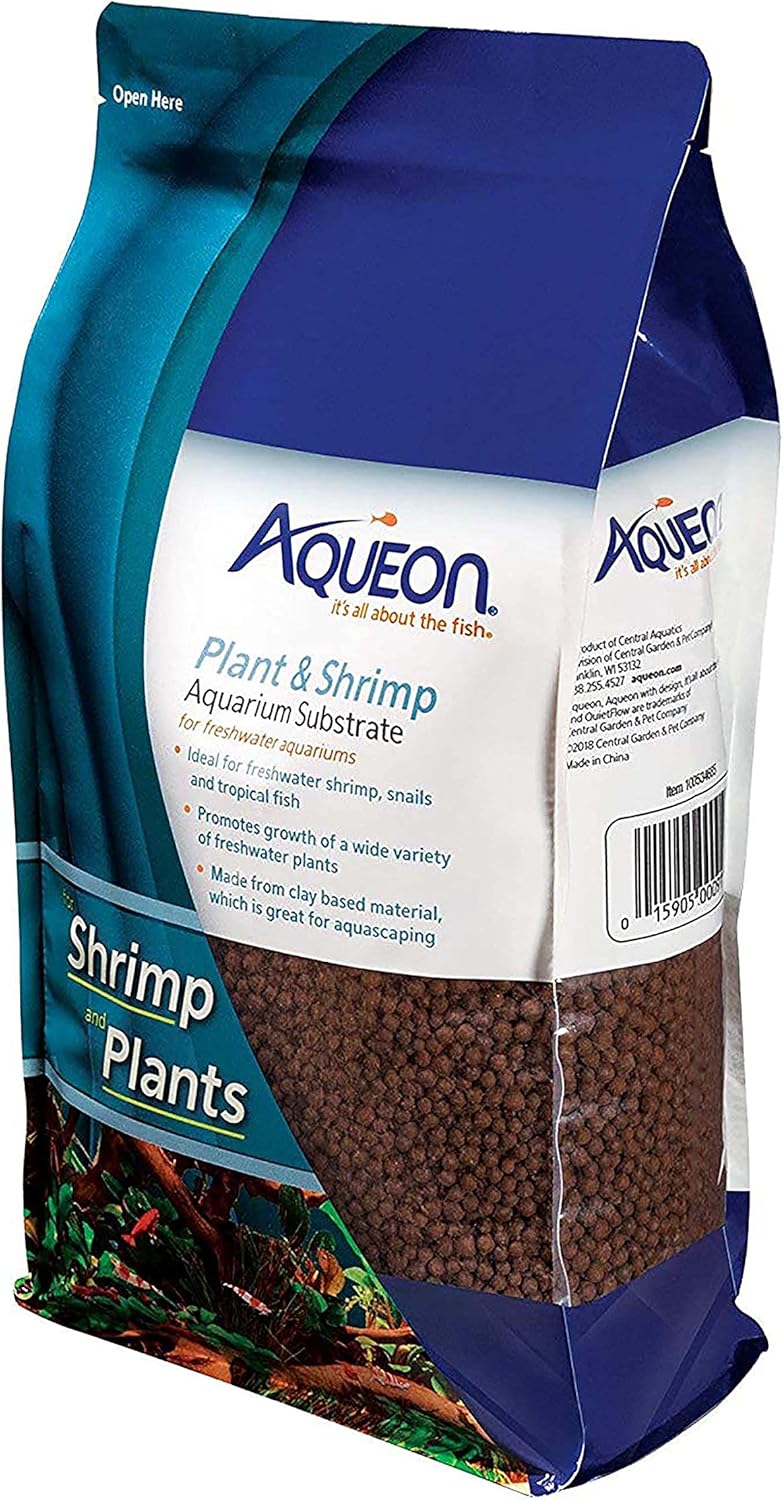 Aqueon Plant and Shrimp Aquarium Substrate |
Buy | ||
| Best Premium |
 Hygger HC028 4.4-Pound Aquarium Soil |
8.3/10 | Buy |
Fluval 12696 Volcanic Soil Bio-Stratum, 4.4 lbs
This volcanic aquarium substrate is designed to promote healthy planted tanks by activating beneficial bacteria and stabilizing water conditions. Its fine, lightweight granules are ideal for delicate plant roots, making it a solid choice for aquarists focused on plant growth and water quality.
Pros
- Promotes robust plant growth and vibrant coloration.
- Activates beneficial water conditions by jumpstarting the nitrogen cycle.
- Rapidly reduces ammonia to stabilize new aquarium environments.
- Lightweight, non-compacting granules enhance root penetration.
- Porous structure provides additional biological filtration.
Cons
- Fine powder granules may cloud water initially if not rinsed carefully.
- The 4.4-pound bag may be insufficient for larger aquarium setups.
Fluval 12693 Plant and Shrimp Stratum, 4.4 lbs
This porous, nutrient-rich aquarium substrate is designed to support robust plant root development and maintain a neutral to slightly acidic pH ideal for planted tanks, shrimp, and tropical fish. It's lightweight and facilitates beneficial bacterial colonization for water quality, though initial setup requires care to prevent cloudiness.
Pros
- Promotes strong plant growth through easy root penetration and nutrient absorption.
- Helps maintain a neutral to slightly acidic pH range suitable for many aquatic species.
- Provides shelter for newborn shrimp and supports beneficial nitrifying bacteria.
- Preserves water clarity and does not discolor water when settled.
Cons
- Lightweight granules can make planting difficult, as plants may float without anchors.
- Initial setup can be messy, causing temporary water cloudiness if not handled carefully.
Aqua Natural Bio-Substrate Galaxy Sand 5lb
This pre-seeded aquarium sand contains live nitrifying bacteria designed to help establish a biological filter and cycle a tank more quickly. It's a natural, triple-washed substrate suitable for planted tanks and general aquarium use.
Pros
- Contains live beneficial bacteria to aid in aquarium cycling
- 100% natural and sustainably sourced material
- Triple-washed and kiln-dried for cleanliness
- Suitable for planted aquariums
- Can be used as a primary substrate or mixed with other substrates
Cons
- Specific instructions must be followed precisely, including a no-rinse policy
- Requires careful mixing ratio (1:4 live to dry substrate) for intended use
Aqua Natural SUGAR010 Sugar White Sand
This 10-pound bag of substrate is prized for its ultra-clean, sugar-white sand that doesn't cloud the water. Its fine, dense grain size resists blowing around, making it a reliable base for planted aquariums and terrariums that benefits from a bright, natural aesthetic.
Pros
- Exceptionally clean due to triple washing and kiln drying, minimizing initial tank cloudiness.
- Optimal 0.5-1mm grain size with a dense composition that stays put under filter currents.
- The bright off-white color effectively highlights aquarium plants and decor.
- Versatile for use in aquariums, vivariums, and terrariums.
- Ethically sourced from New Zealand, appealing to environmentally conscious hobbyists.
Cons
- The light color may show waste and debris more readily than darker substrates, requiring more frequent maintenance.
Aqueon Plant and Shrimp Aquarium Substrate
This clay-based aquarium substrate is designed to support plant roots and shrimp in freshwater tanks. Its spherical shape maintains structure over time, preventing compression and creating a stable base for aquascaping. It's a straightforward choice for planted tank enthusiasts.
Pros
- Spherical clay design resists breakdown and maintains its form, promoting a stable substrate.
- Supports root growth for a variety of aquatic plants.
- Suitable for shrimp, snails, and tropical fish in freshwater setups.
Cons
- The 5-pound bag size may be insufficient for larger aquarium setups.
Hygger HC028 4.4-Pound Aquarium Soil
This planted aquarium substrate is formulated to maintain a stable, slightly acidic pH and promote beneficial bacteria, creating an ideal environment for aquatic plants and sensitive shrimp. Its porous structure supports rapid root growth and water softening, though it requires a specific setup procedure.
Pros
- Scientifically formulated to maintain a stable pH between 6.5 and 7.5, ideal for sensitive species like shrimp.
- Porous sintered structure facilitates rapid colonization of beneficial bacteria for healthy tank cycling.
- Naturally acidifies and softens water, creating optimal conditions for vibrant plant growth.
- Comes with a 2-year manufacturer warranty for added assurance.
Cons
- Requires careful initial setup with multiple water changes before adding livestock, which can be a process.
- Granule size may be larger than some users expect, as noted in feedback.
- The product is not to be rinsed, which can lead to initial cloudiness in the water.
Best Substrate For Shrimp Tanks Buying Guide
Nutrient Content and Plant Growth
A nutrient-rich substrate provides essential minerals and trace elements that support healthy plant growth and shrimp development. Products like Aquarium Substrate for Strong Plant Growth are formulated with volcanic minerals that release nutrients slowly over time. When choosing best substrate for shrimp tanks, look for substrates that contain iron, potassium, and other micronutrients that rooted plants need to thrive. A well-planted tank also helps maintain water quality by absorbing nitrates and providing hiding spots for shrimp.
Some substrates, such as Natural Mineral-Rich, Aquarium Substrate, are designed specifically for planted tanks and offer a balanced nutrient profile. If you plan to keep shrimp with live plants, choose a substrate that supports both. The right nutrient content can reduce the need for liquid fertilizers and make aquarium maintenance easier.
pH Buffering and Water Stability
Shrimp are sensitive to sudden changes in water chemistry, so a substrate that buffers pH is highly beneficial. Many best substrate for shrimp tanks products, like Aqueon Plant and Shrimp Aquarium Substrate, are designed to maintain a neutral to slightly acidic pH (around 6.5 to 7.0), which is ideal for most freshwater shrimp species. Buffering substrates help prevent pH crashes and keep your shrimp healthy.
It is important to note that some substrates, especially those made from crushed coral or aragonite, will raise pH and hardness. These are better suited for African cichlids or marine setups, not for shrimp. Always check the product description for pH buffering capacity before purchasing.
Grain Size and Texture
The grain size of your best substrate for shrimp tanks affects both the aesthetics and the functionality of the tank. Fine sand substrates, such as Aquascaping, Aquariums, Vivariums, are gentle on shrimp and allow them to forage naturally. However, very fine sand can compact over time and reduce water flow through the substrate bed, potentially leading to anaerobic pockets.
Coarser substrates, like those with granules between 2-5 mm, provide better water circulation and root penetration for plants. They also make it easier to clean the substrate during water changes. For shrimp tanks, a mix of fine and coarse particles often works best, allowing both burrowing and plant anchoring.
Shrimp Safety and Tannins
Some best substrate for shrimp tanks products release tannins, which can tint the water brown and lower pH. While tannins are natural and beneficial for shrimp (they mimic blackwater habitats), they may not be visually appealing to all aquarists. Products like Sand seeded with start up bio-active nitrifying are pre-seeded with beneficial bacteria, which helps establish the nitrogen cycle quickly and reduces the risk of ammonia spikes.
Always rinse the substrate before use to remove dust and debris, but avoid over-washing as it can strip away nutrients. Some substrates, like Upgraded Aquarium Soil Water Grass Mud, claim to require no washing, saving time during setup. Check the manufacturer’s instructions for the best results.
Ease of Setup and Maintenance
Setting up a new shrimp tank can be time-consuming, so choosing a substrate that simplifies the process is a big plus. Many modern best substrate for shrimp tanks products come pre-loaded with beneficial bacteria or are designed to be added directly to the tank without extensive preparation. For example, the Aqua Natural Bio-Substrate is sold wet and contains live nitrifying bacteria, which can speed up cycling.
Maintenance also matters: some substrates break down over time and need to be replaced every 1-2 years, while others, like inert sand, can last indefinitely. Consider how often you are willing to redo your aquascape when selecting a substrate. For more advice on aquarium care, visit our Fish & Aquariums section.
Aesthetic Appeal
The visual appearance of your substrate sets the tone for the entire tank. From natural brown and black soils to bright white sand, there are many options to match your aquascaping vision. Aquascaping, Aquariums, Vivariums offers a sugar white sand that creates a clean, bright look ideal for shrimp tanks with colorful plants or dark hardscape.
Darker substrates tend to make shrimp colors pop, while lighter substrates can show waste more easily. Consider the type of shrimp you keep: red cherry shrimp stand out against black soil, while blue velvet shrimp look stunning on light sand. Choose a substrate that complements your shrimp and plants.
Why You Should Trust Us
At Pets Viora, we take a data-driven approach to product reviews. For this guide, we compared the specifications and sizing of 6 popular best substrate for shrimp tanks products, checked safety information and recall notices, and analyzed feedback from thousands of shrimp owners across multiple online sources. We then scored each product against our published criteria, including nutrient content, pH buffering, grain size, shrimp safety, and ease of setup.
Our research methodology is similar to that used in our other pet product guides, such as our review of best flea collars for dogs. We aim to provide objective, transparent recommendations that help you make an informed purchase. We do not accept free products or paid placements from manufacturers, ensuring our reviews remain unbiased.
Final Thoughts
After thorough research, we recommend the Aquarium Substrate for Strong Plant Growth (Fluval Plant and Shrimp Stratum) as the best overall best substrate for shrimp tanks for most shrimp keepers. It offers excellent nutrient content, reliable pH buffering, and a grain size that works well for both plants and shrimp. With a 4.7-star average from thousands of reviews, it is a proven choice.
For budget-conscious aquarists, the Aqueon Plant and Shrimp Aquarium Substrate provides great value at a lower price point while still supporting plant growth and stable water parameters. It is a solid all-around option for small to medium tanks.
If you are setting up a bioactive shrimp tank and want a head start on cycling, the Sand seeded with start up bio-active nitrifying (Aqua Natural Bio-Substrate) is the best pick. Its live bacteria help establish the nitrogen cycle quickly, reducing the risk of shrimp loss during the initial weeks. For more aquarium product reviews, explore our Aquarium Accessories category.
Frequently Asked Questions
What is the best substrate for shrimp tanks for shrimp in 2026?
The best substrate for shrimp tanks depends on your specific setup, but our top recommendation is the Fluval Plant and Shrimp Stratum. It provides balanced nutrients, buffers pH to a shrimp-friendly range, and has a texture that allows easy rooting. For a budget alternative, consider the Aqueon Plant and Shrimp Aquarium Substrate.
Do I need to wash shrimp substrate before use?
Most best substrate for shrimp tanks products should be gently rinsed to remove dust and fine particles, but avoid over-washing as it can remove beneficial nutrients. Some substrates, like the Upgraded Aquarium Soil Water Grass Mud, are designed to be used without washing. Always check the manufacturer’s instructions.
Can I use sand as substrate for shrimp?
Yes, sand can be used as a shrimp substrate, especially fine sand like Aqua Natural Sugar White Sand. Sand is gentle on shrimp and allows natural foraging behavior. However, sand alone may not provide enough nutrients for heavy plant growth, so you may need to supplement with root tabs or liquid fertilizers.
How often should I replace shrimp substrate?
Nutrient-rich substrates typically last 12-24 months before they start to lose their buffering capacity and nutrient content. Inert substrates like sand can last indefinitely if cleaned regularly. Watch for signs like pH swings or poor plant growth, which indicate it may be time to replace the substrate.
What substrate is best for planted shrimp tanks?
For planted shrimp tanks, choose a substrate that is rich in nutrients and buffers pH to slightly acidic levels. The Fluval Plant and Shrimp Stratum and the Natural Mineral-Rich Volcanic Soil Bio Stratum are both excellent choices. They support strong root development and provide essential minerals for aquatic plants. For more tips, visit our Fish & Aquariums page.
About the author

The Pets Viora Editorial Team researches, writes, fact-checks, and updates every buying guide on Pets Viora. We cover products for dogs, cats, fish, birds, reptiles, small pets, horses, and backyard poultry, and every guide starts with the animal and the problem it needs to solve, not with a best-seller list. Our recommendations are based on product specifications and sizing, safety information and recalls, and recurring patterns in feedback from real owners across multiple sources, scored against the criteria published on our How We Rank page. Brands can't pay for placement, and our guides are general information, not veterinary advice. Questions, corrections, or product suggestions: [email protected]