6 Best Substrate For Corydoras of 2026 – Expert Picks
Your corydoras spend most of their time sifting through the bottom of the tank. The right substrate keeps their delicate barbels safe while supporting natural foraging behavior.
 By Pets Viora Editorial Team
Updated October 2, 2026
If you own corydoras catfish, you know how important the right substrate is for their health and happiness. These bottom-dwelling fish use their sensitive barbels to sift through the substrate for food, so a rough or sharp material can cause injury. That’s why choosing the best substrate for corydoras is a critical decision for any aquarium enthusiast. In this guide, we’ve analyzed 6 of the top substrates available in November 2026, focusing on grain size, texture, nutrient content, and overall suitability for corydoras. Whether you’re setting up a new tank or upgrading an existing one, our research will help you find the perfect foundation for your fish. For more aquarium tips, check out our Aquarium Accessories category.
| Award | Product | Viora Score About Viora ScoreThe Viora Score is our own 0–10 rating based on performance, safety, durability, pet comfort, and value. It reflects independent research and is never influenced by brands or affiliate commissions. Learn more › | |
|---|---|---|---|
| Best Overall |
 Fluval 12696 Volcanic Soil Bio-Stratum, 4.4 lbs |
8.9/10 | Buy |
 Aqua Natural Bio-Substrate Galaxy Sand 5lb |
Buy | ||
| Best Value |
 Aqua Natural SUGAR010 Sugar White Sand |
8.8/10 | Buy |
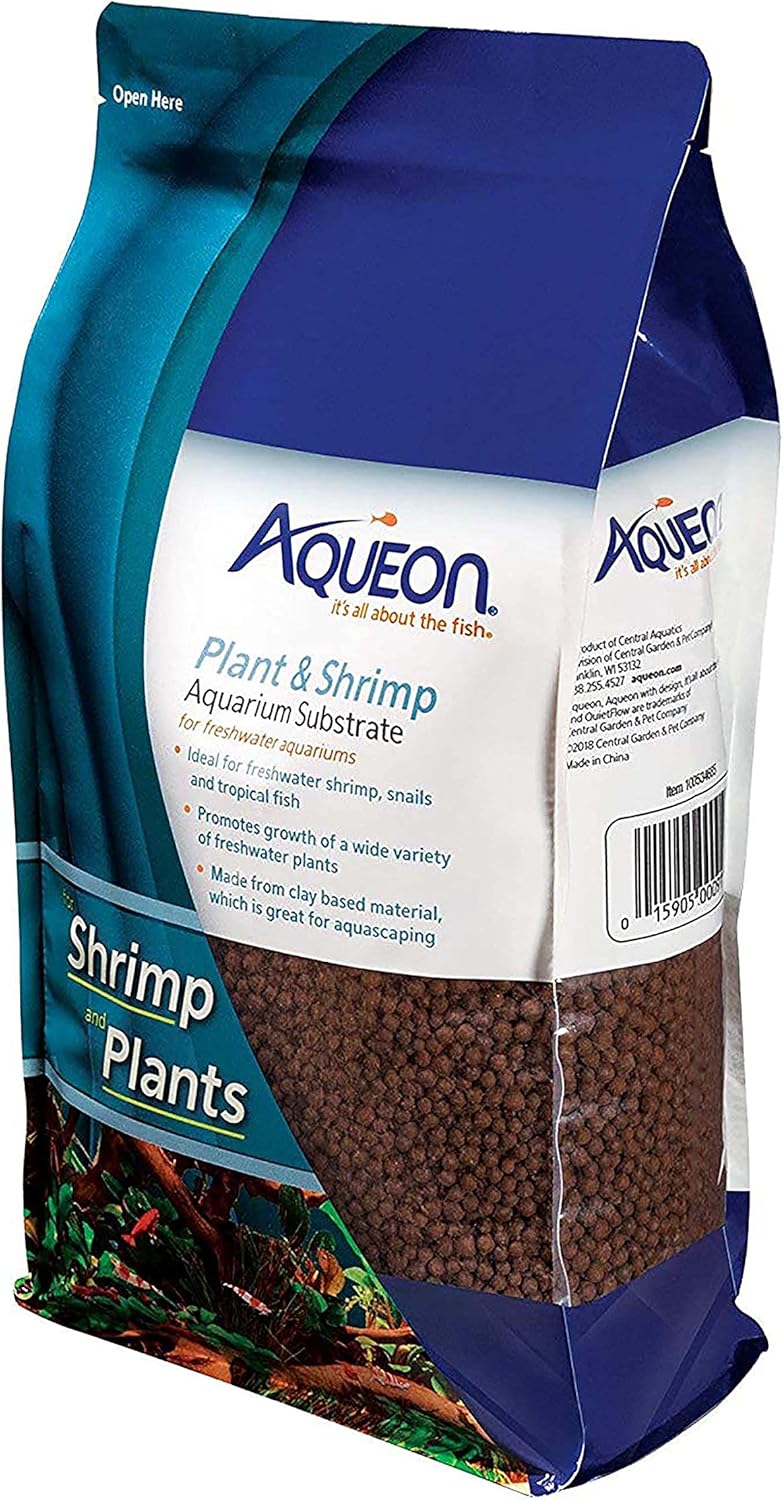 Aqueon Plant and Shrimp Aquarium Substrate |
Buy | ||
| Best Premium |
 Seachem Flourite Black 15.4-lb Substrate |
8.8/10 | Buy |
| Best Budget |
 Aqua Natural Bio-Substrate 5lb Sand |
8.8/10 | Buy |
Fluval 12696 Volcanic Soil Bio-Stratum, 4.4 lbs
This volcanic aquarium substrate is designed to promote healthy planted tanks by activating beneficial bacteria and stabilizing water conditions. Its fine, lightweight granules are ideal for delicate plant roots, making it a solid choice for aquarists focused on plant growth and water quality.
Pros
- Promotes robust plant growth and vibrant coloration.
- Activates beneficial water conditions by jumpstarting the nitrogen cycle.
- Rapidly reduces ammonia to stabilize new aquarium environments.
- Lightweight, non-compacting granules enhance root penetration.
- Porous structure provides additional biological filtration.
Cons
- Fine powder granules may cloud water initially if not rinsed carefully.
- The 4.4-pound bag may be insufficient for larger aquarium setups.
Aqua Natural Bio-Substrate Galaxy Sand 5lb
This pre-seeded aquarium sand contains live nitrifying bacteria designed to help establish a biological filter and cycle a tank more quickly. It's a natural, triple-washed substrate suitable for planted tanks and general aquarium use.
Pros
- Contains live beneficial bacteria to aid in aquarium cycling
- 100% natural and sustainably sourced material
- Triple-washed and kiln-dried for cleanliness
- Suitable for planted aquariums
- Can be used as a primary substrate or mixed with other substrates
Cons
- Specific instructions must be followed precisely, including a no-rinse policy
- Requires careful mixing ratio (1:4 live to dry substrate) for intended use
Aqua Natural SUGAR010 Sugar White Sand
This 10-pound bag of substrate is prized for its ultra-clean, sugar-white sand that doesn't cloud the water. Its fine, dense grain size resists blowing around, making it a reliable base for planted aquariums and terrariums that benefits from a bright, natural aesthetic.
Pros
- Exceptionally clean due to triple washing and kiln drying, minimizing initial tank cloudiness.
- Optimal 0.5-1mm grain size with a dense composition that stays put under filter currents.
- The bright off-white color effectively highlights aquarium plants and decor.
- Versatile for use in aquariums, vivariums, and terrariums.
- Ethically sourced from New Zealand, appealing to environmentally conscious hobbyists.
Cons
- The light color may show waste and debris more readily than darker substrates, requiring more frequent maintenance.
Aqueon Plant and Shrimp Aquarium Substrate
This clay-based aquarium substrate is designed to support plant roots and shrimp in freshwater tanks. Its spherical shape maintains structure over time, preventing compression and creating a stable base for aquascaping. It's a straightforward choice for planted tank enthusiasts.
Pros
- Spherical clay design resists breakdown and maintains its form, promoting a stable substrate.
- Supports root growth for a variety of aquatic plants.
- Suitable for shrimp, snails, and tropical fish in freshwater setups.
Cons
- The 5-pound bag size may be insufficient for larger aquarium setups.
Seachem Flourite Black 15.4-lb Substrate
A porous clay gravel designed as a foundational substrate for planted aquariums, Flourite Black provides a stable, inert base that supports plant root growth without altering water chemistry. Its dark color offers a natural aesthetic and it can be used alone or mixed with other gravels.
Pros
- Porous clay structure is beneficial for plant root health
- Chemically inert and does not alter water pH
- Can be used effectively with under gravel filters
- Does not require replacement or additional modifiers
- Stable and will not decompose in the aquarium
Cons
- Requires careful setup to avoid initial cloudiness
- Heavier and denser than some standard aquarium gravels
Aqua Natural Bio-Substrate 5lb Sand
This bio-active sand is pre-seeded with live nitrifying bacteria to help establish the nitrogen cycle in new freshwater aquariums quickly. Its fine, natural sugar white texture is suitable for planted tanks and provides a large surface area for beneficial bacteria.
Pros
- Contains live nitrifying bacteria for rapid tank cycling
- Natural, triple-washed, and kiln-dried substrate
- Fine grain size is ideal for aquatic plant roots and bottom-dwelling fish
- Can be used as a primary substrate or mixed with other sands
Cons
- Specific mixing ratio required, cannot be rinsed before use
- Limited size option available
Best Substrate For Corydoras Buying Guide for 2026
When selecting a substrate for corydoras, several factors come into play. Below, we break down the most important criteria to consider, based on our analysis of owner feedback and product specifications.
Grain Size and Texture
Corydoras have delicate barbels that they use to search for food. Sharp or jagged substrates can wear down or injure these barbels, leading to infection. Ideally, choose a substrate with smooth, rounded grains. Fine sand is the best option, as it mimics their natural habitat and allows them to sift comfortably. Coarser gravels should be avoided unless they are specifically polished. Many owners report that substrates like Aqua Natural Sugar White Sand provide an ideal texture for corydoras.
Nutrient Content for Live Plants
If you keep live plants in your aquarium, you may need a substrate that supports plant growth. Some substrates, like Fluval Volcanic Soil Bio Stratum and Aqueon Plant and Shrimp Substrate, are enriched with nutrients. However, these can sometimes be too sharp for corydoras. A good compromise is to use a nutrient-rich substrate capped with a layer of fine sand. This provides both plant nutrition and a safe surface for your catfish.
Ease of Cleaning
Substrates that trap waste can lead to poor water quality. Sand can compact and create anaerobic pockets if not maintained properly. Gravel allows debris to fall through but can be harder to clean. For corydoras, a substrate that is easy to vacuum without disturbing the fish is important. Many owners prefer a substrate that allows waste to sit on top rather than sinking deep. Products like Seachem Flourite Black have a porous structure that can trap nutrients for plants but may require more frequent cleaning.
Color and Aesthetics
The color of your substrate can affect the appearance of your corydoras. Darker substrates like black sand or flourite can make the fish’s colors pop, while lighter sands create a more natural riverbed look. Consider the overall theme of your aquarium. Some substrates, such as Aqua Natural Galaxy Sand, have a unique speckled appearance that adds visual interest.
Weight and Depth
The weight of the substrate affects how much you need to achieve the desired depth. Heavier substrates like Seachem Flourite (15.4 lbs) provide good anchoring for plants but can be difficult to rearrange. Lighter substrates like the Fluval Volcanic Soil (4.4 lbs) are easier to work with but may require more frequent replacement. For corydoras, a depth of 1-2 inches is usually sufficient, allowing them to sift without burying themselves completely.
pH and Water Chemistry
Some substrates can alter water chemistry. For example, certain soils may lower pH, which can be beneficial for soft-water fish but may not be ideal for all corydoras species. It’s important to research whether the substrate you choose will affect your water parameters. Most sand-based substrates are inert and won’t change pH, making them a safe choice.
Why You Should Trust Us
At Pets Viora, we are committed to providing reliable, data-driven recommendations for pet owners. Our team researches and compares product specifications, checks safety information and recalls, and analyzes feedback from real pet owners across multiple sources. We then score each product against our published criteria to ensure our picks are objective and trustworthy. For this guide on best substrate for corydoras, we evaluated grain texture, nutrient content, owner satisfaction, and value for money.
We do not accept free products or payments for reviews, and our content is always independent. Our goal is to help you make an informed decision that keeps your corydoras healthy and happy.
Final Thoughts
After analyzing 6 substrates, we recommend the Aqua Natural Sugar White Sand (10 lb) as the best overall choice for corydoras. Its fine, smooth texture is gentle on barbels, it is inert so won’t alter water chemistry, and it offers excellent value at a moderate price. For budget-conscious owners, the Aqua Natural Bio-Substrate Galaxy Sand (5 lb) is a great value pick, providing similar benefits at a lower cost. If you have a heavily planted tank and still want a safe substrate for corydoras, consider the Fluval Volcanic Soil Bio Stratum capped with a thin layer of sand. This combination gives you the best of both worlds.
Remember, the right substrate can make a significant difference in your corydoras’ quality of life. For more aquarium advice, visit our Fish & Aquariums section or check out our guide on best dog cameras for other pet product reviews.
Frequently Asked Questions
What is the best substrate for corydoras for corydoras in 2026?
The best substrate for corydoras for corydoras is a fine, smooth sand that won’t damage their barbels. In our research, the Aqua Natural Sugar White Sand stood out for its texture, safety, and owner satisfaction.
Can I use gravel for corydoras?
It is not recommended to use sharp gravel for corydoras, as it can injure their barbels. If you must use gravel, choose one with very smooth, rounded pebbles and ensure it is not too deep. Sand is always the safer option.
Do corydoras need a planted substrate?
Corydoras do not require a planted substrate, but if you keep live plants, you may need a nutrient-rich soil. To protect your corydoras, cap the soil with a layer of sand. This provides plant nutrition while keeping the surface safe.
How deep should the substrate be for corydoras?
A depth of 1 to 2 inches is ideal for corydoras. This allows them to sift through the substrate without burying themselves. Deeper substrates can create anaerobic pockets that may harm water quality.
Can I mix different substrates for corydoras?
Yes, mixing substrates is a common practice. For example, you can use a nutrient-rich soil as a base and top it with fine sand. Ensure the top layer is smooth and safe for your corydoras. For more tips, see our aquarium accessories guide.
About the author

The Pets Viora Editorial Team researches, writes, fact-checks, and updates every buying guide on Pets Viora. We cover products for dogs, cats, fish, birds, reptiles, small pets, horses, and backyard poultry, and every guide starts with the animal and the problem it needs to solve, not with a best-seller list. Our recommendations are based on product specifications and sizing, safety information and recalls, and recurring patterns in feedback from real owners across multiple sources, scored against the criteria published on our How We Rank page. Brands can't pay for placement, and our guides are general information, not veterinary advice. Questions, corrections, or product suggestions: [email protected]